Fire clay is a heat-resistant secondary clay used to increase the firing temperature and strength of pottery clay bodies. It adds durability and structural stability, especially for stoneware and sculptural work. Fire clay is often used in studio clay mixes that need to withstand high heat.
Fire clay
Clay Questions FAQ
Do you have wadding recipe for firing?
1 part Greenstripe Fireclay (CH379)
1 part Coarse Grog (CH563)
2 parts Sand (CH354) Blend dry ingredients, then mix with water to form a clay paste. Use Elmer’s glue to attach to the bottom of your greenware piece immediately before firing.
Do you offer bulk clay discounts?
We offer price breaks at 50#, 100#, 500#, 1000# and 2000#. On Georgie’s brand clay, you can mix and match clay to receive the price break (i.e. 50# of CC973 Kristy Lombard and 50# of CC535D Trail Mix Dark Chocolate to reiceve the 100# price break).
Can I mix clay bodies?
Yes – with a caveat – they must have similar cones (i.e. both Cone 6) and shrinkage rates to help avoid cracking, warping or crazing during drying/firing.
What clay bodies do you manufacture?
We manufacture low-fire (cone 06), midrange (cone 6) and high fire (cone 10) clay bodies. We have over 20 different clays to choose from.
What are the differences between your midrange and lowfire clays?
It depends what temperature you are glaze firing your clay to. Lowfire glaze fires to cone 06 and midrange glaze fires to cone 6. We offer different colors in each of the low fire and midrange clays.
How do I choose a clay body?
We have a lot of options!
Which clays are best for beginners?
We use CC535 Trail Mix in our classroom which is a great option to start out at. If you’d like more information or more help, please call us at 503-283-1353 and we’d be happy to talk through which clay would be best for you.
How do I know if a clay is compatible with a glaze?
The clay and glaze cone temperature must match (i.e. cone 06 clay with cone 06 glaze)
What cone should I fire my clay to?
It depends what clay you have – please check the packaging or online for what cone you purchased (low fire, midrange or high fire) What is the shrinkage rate of your clays?
Please go to our clay page to see what the shrinkage rate is for the clay you have. All shrinkage rates are different.
Do you provide clay test tiles?
We do not provide clay test tiles. We do have clay tiles up in store for visuals if you want to visually see. We recommend making your own clay test tiles.
Do you offer clay in dry form?
We offer some of our clay in dry form (50# bag minimum). Please check our Georgies’ dry clay page to see what’s available.
How should I store clay?
Keep clay in a cool, dark place and seal it in an airtight plastic bag to prevent it from drying out.
Explore Clay & Ceramic Materials by Type
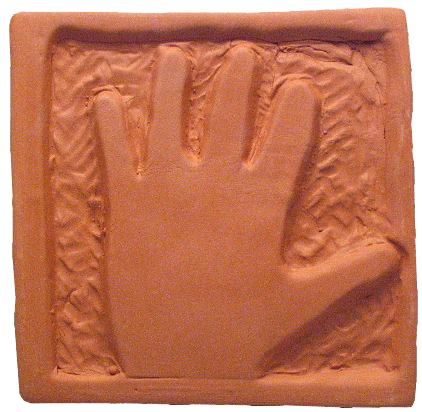
Made in Portland with premium materials — tested and refined for quality, and performance.
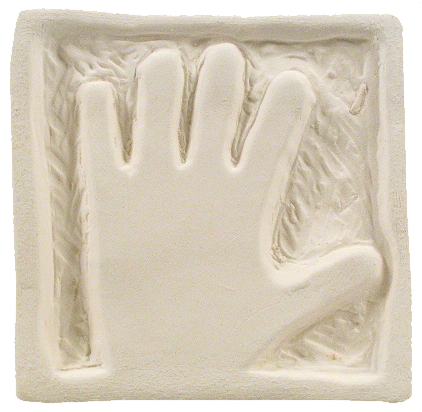
Easy to work with, easy to fire, with the widest range of glaze color possibilities for decoration.
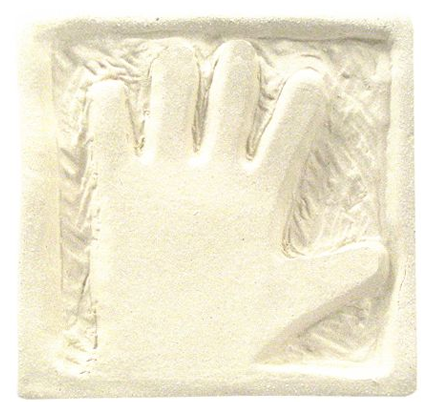
Performance like highfire stoneware and porcelain with only slight variations in their mineral makeup.