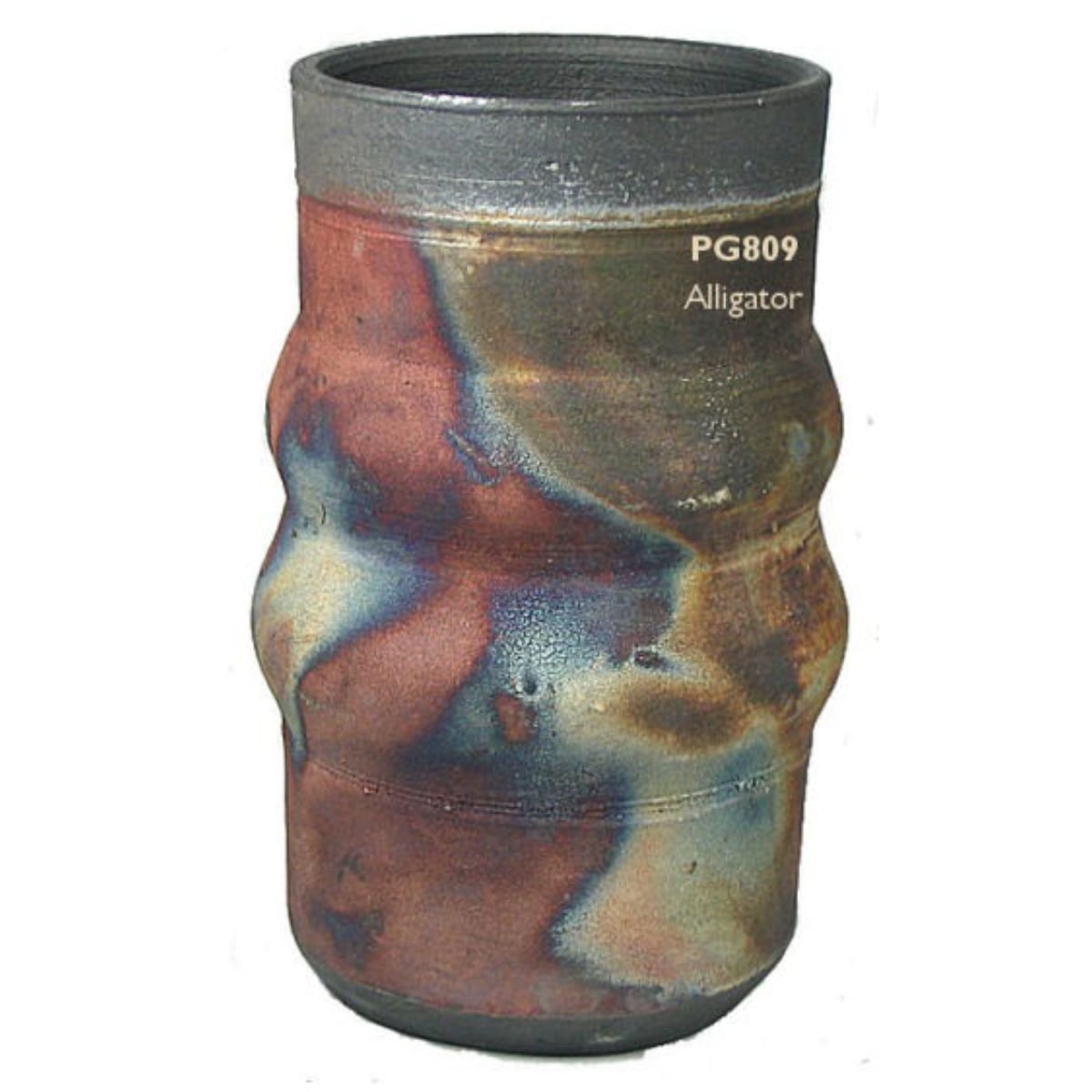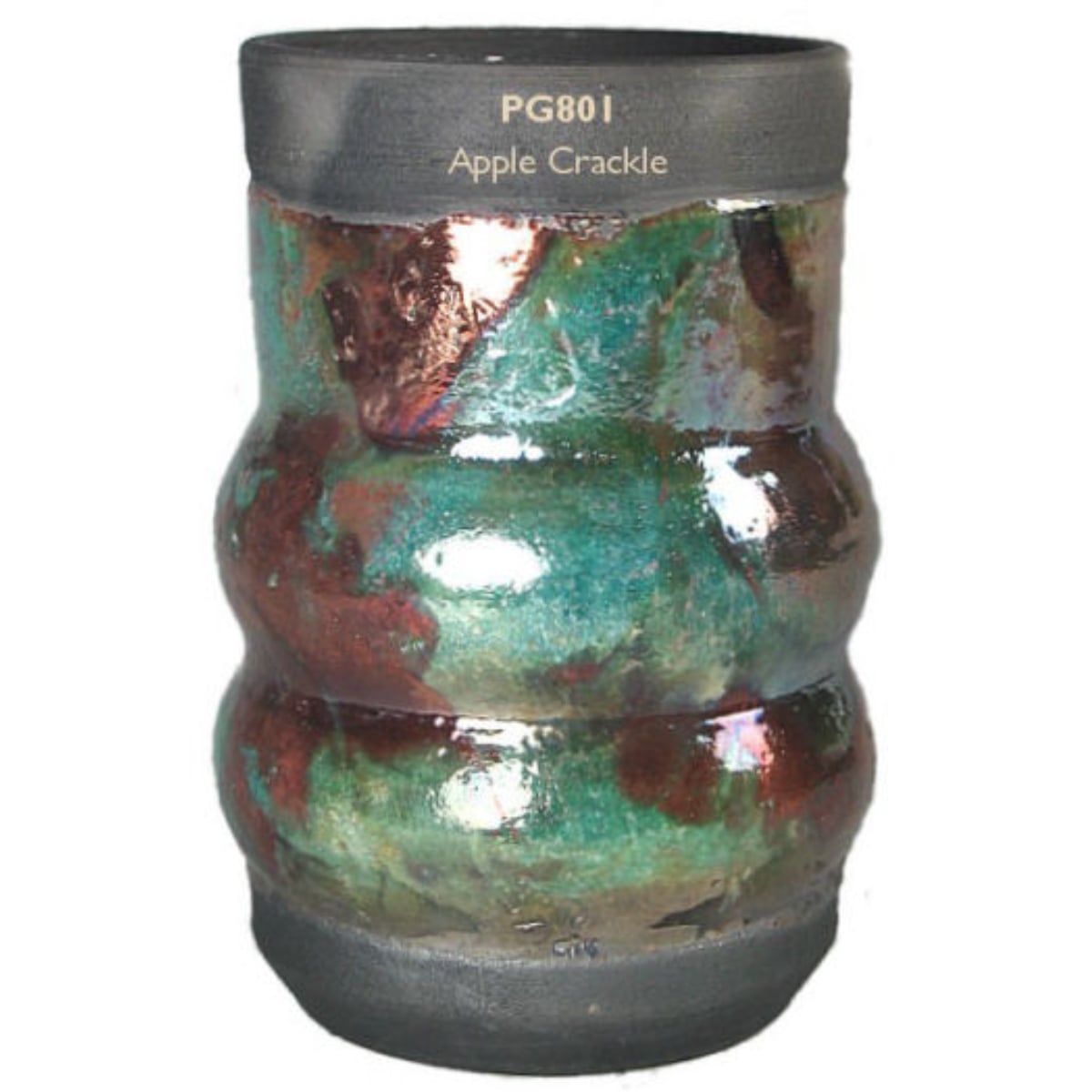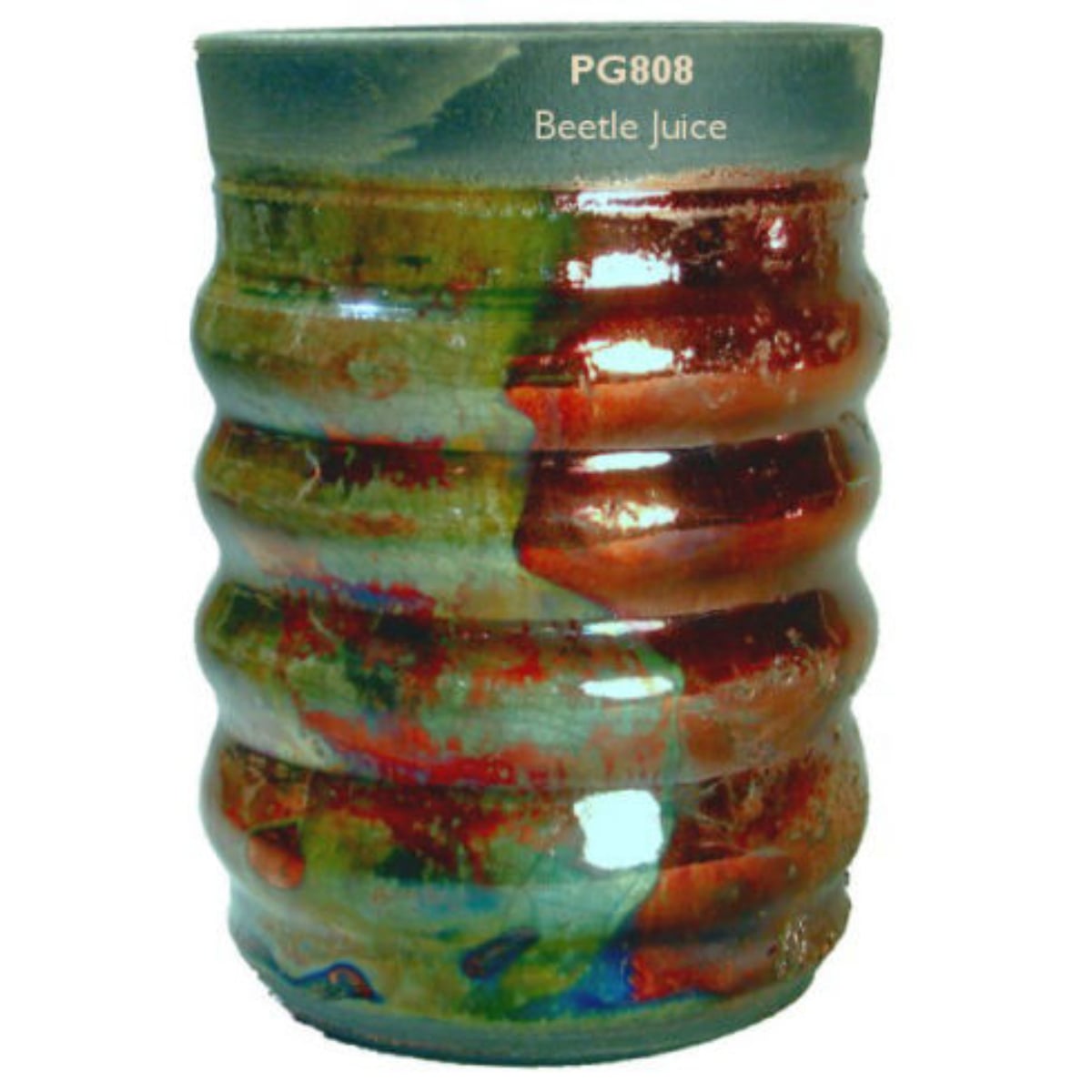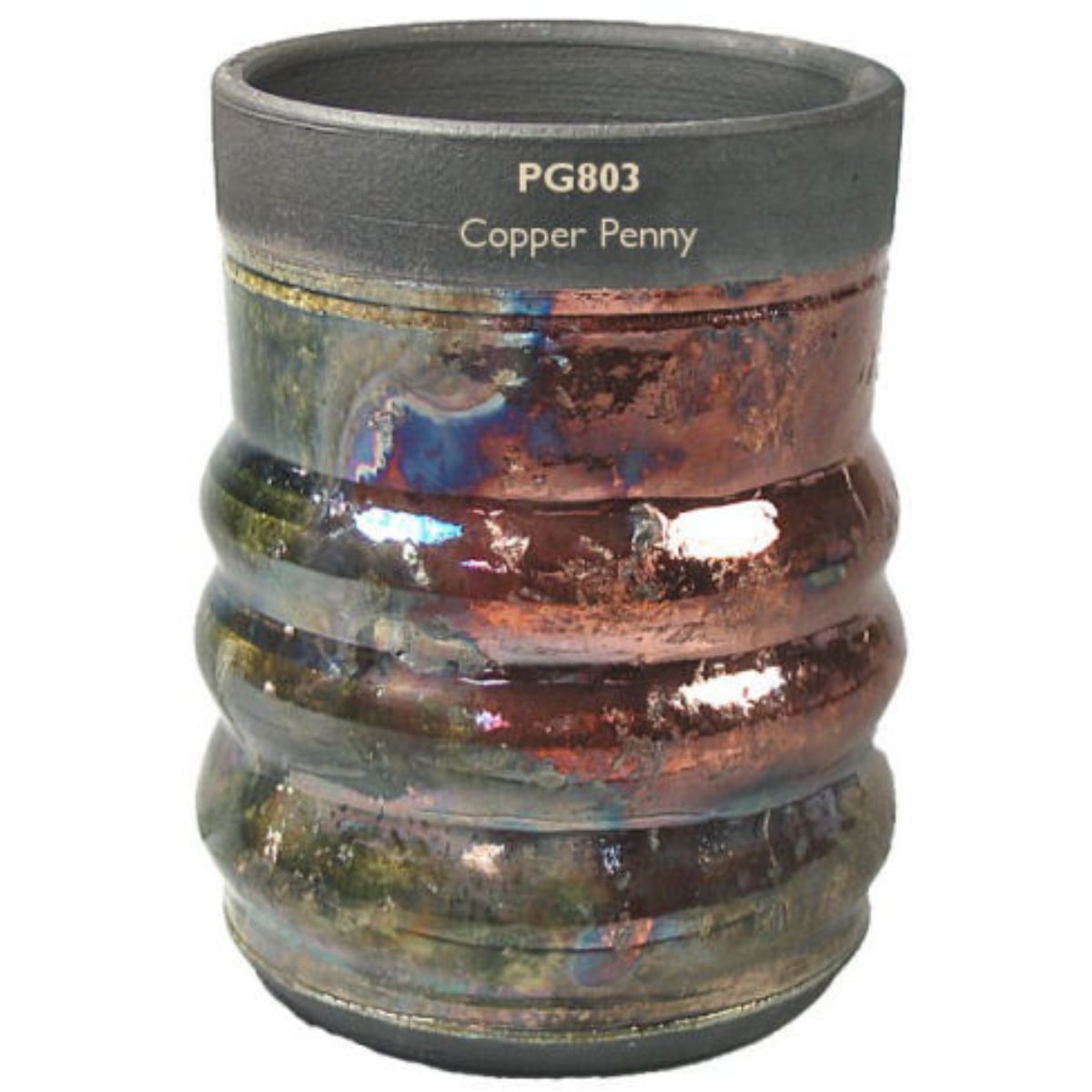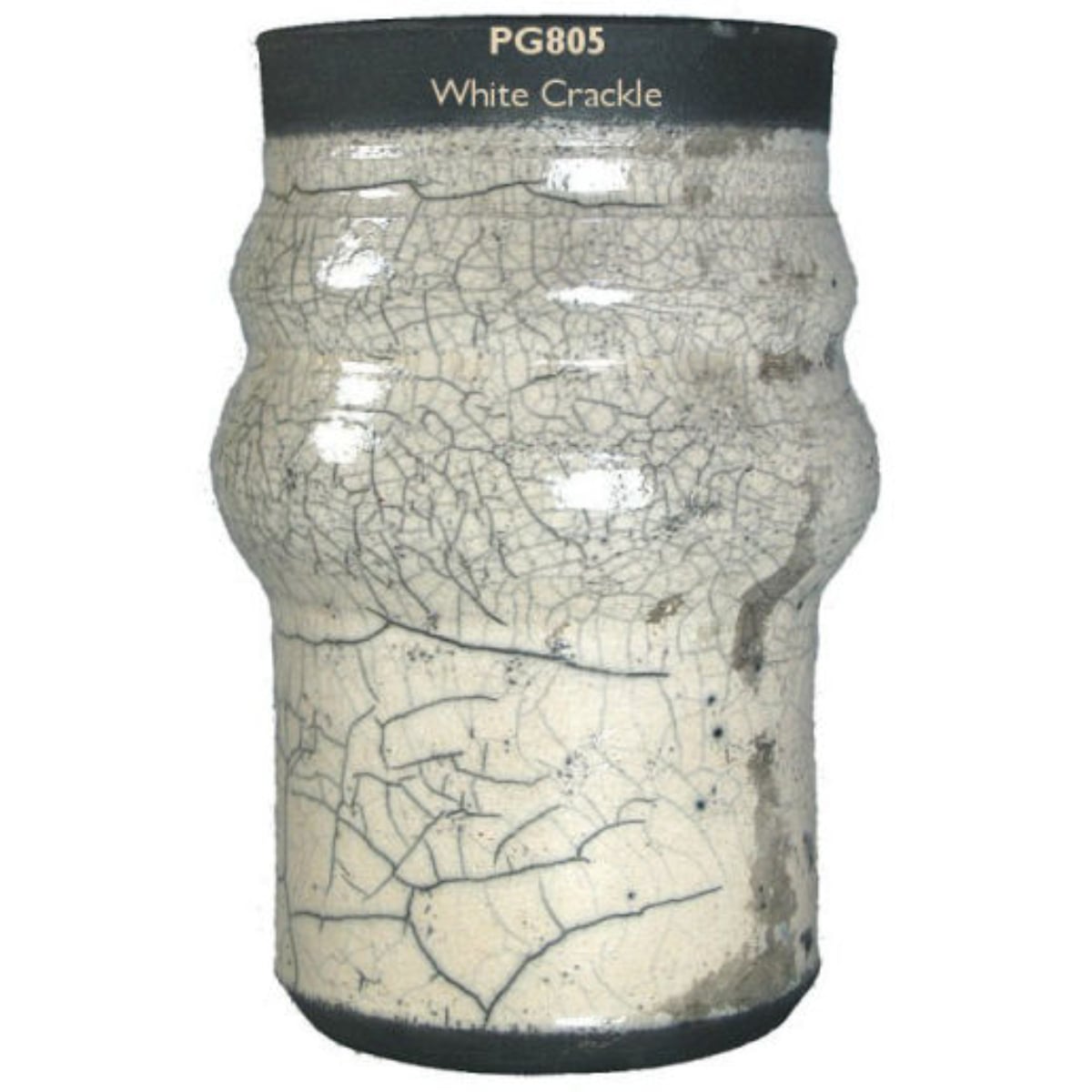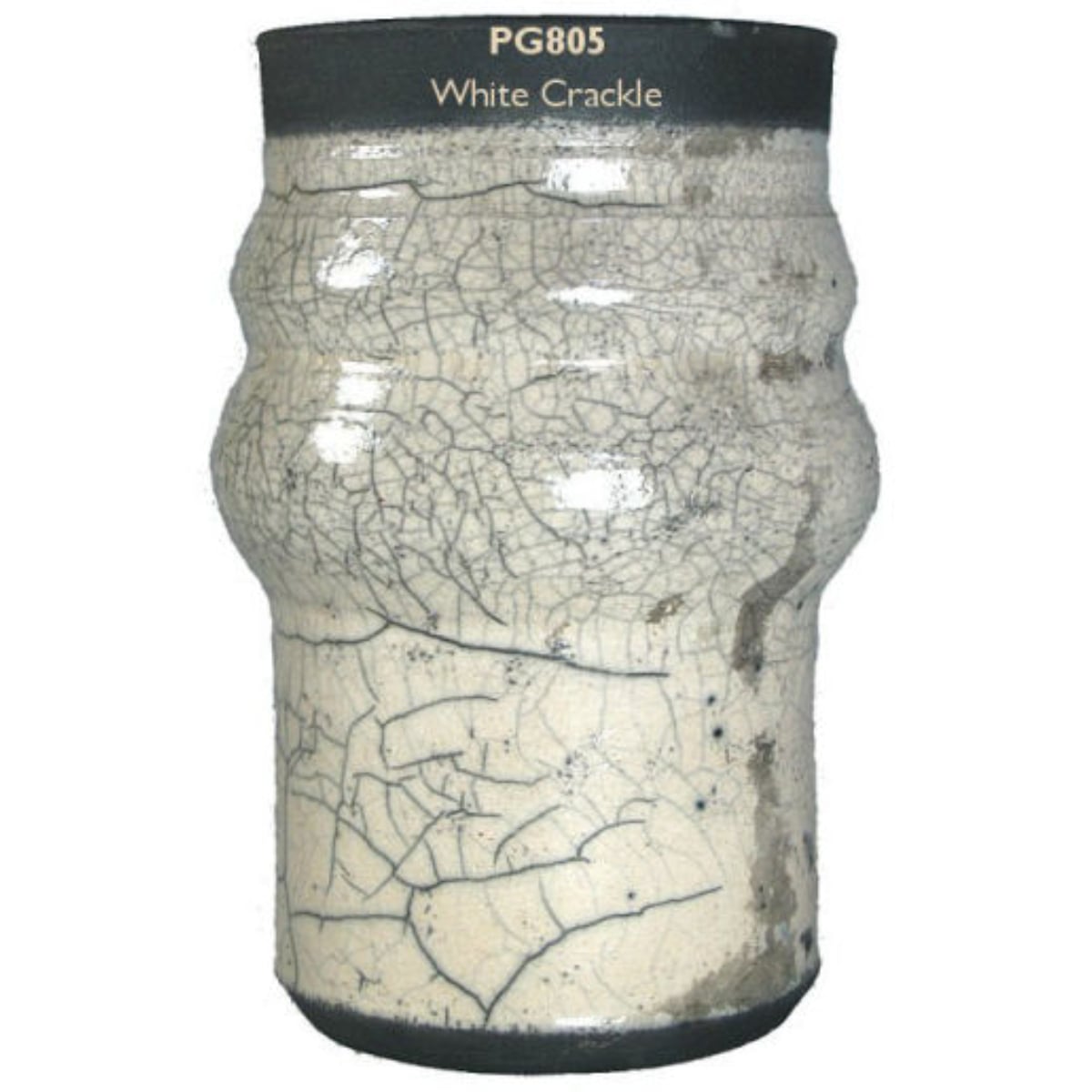

Transform your pottery with the dramatic, unpredictable beauty of raku glazes. Formulated specifically for fast firing and post-fire reduction, these specialty glazes develop metallic flashes, crackle patterns, and smoky color transitions that can’t be achieved in standard electric kiln firings. Whether you’re exploring the traditional raku process or experimenting with alternative firing methods, our raku glaze selection gives you the chemistry, range, and reliability you need.
Raku Glazes must be fired in a propane or natural gas fueled kiln, creating at least a partial reduction atmosphere during firing, and followed immediately after firing by a separate reduction process. Firing these glazes in an electric kiln WILL NOT create the iridescent and metallic lusters and flashes for which raku is known.
Raku is an inherently dangerous process as you work in close proximity to extreme heat and open flame. DO NOT ATTEMPT RAKU FIRING without proper personal safety equipment and thorough training in the technique from an artist or crafter experienced in the process.
Application Tips
You will generally find more variation in consistency among raku glazes than other ceramic glazes. They’re just not all the same in the jar! This is due to differences in their formulas: they don’t all use the same raw materials. The desired consistency for raku glazes is roughly the same as milk, or slightly thicker (like chocolate milk). If your glaze is too thick, thin it with water and stir thoroughly. If the glaze is too thin and watery, you may need to brush or dip more coats to reach the best application thickness. Application thickness is important because raku glazes are sensitive to thickness: too much or too little glaze will change your color and texture results.
Optimum application thickness roughly equals half the thickness of a dime. Matte glazes will often reach that thickness with only one or two brushed flowing coats. They ‘prefer’ to be applied thinner than gloss raku glazes. Gloss glazes usually require three brushed flowing coats to reach half the thickness of a dime. These numbers will vary depending on the consistency of your glaze and your application style.
Browse Categories
Showing all 15 results